Determining whether a home requires a roof repair or replacement depends on the age of the materials, the physical extent of the damage, and the frequency of recurring issues. If the roofing system is less than 15 years old and the damage is confined to a small area, such as a few missing shingles or a minor leak around a vent, a targeted roof repair is typically the most efficient solution. However, if the roof is approaching 20 years of age or shows signs of structural sagging and widespread granule loss, replacing a roof becomes a more cost-effective long-term investment.
The decision often follows the 25 percent rule used by many professionals. If more than a quarter of the total surface area is damaged, the structural integrity of the entire system is likely compromised. This guide provides the technical indicators and practical factors necessary to evaluate the condition of a roof accurately. Drawing from years of field experience and structural assessments, this information helps property owners identify which roofing service matches their specific situation.
Immediate Indicators for Repair
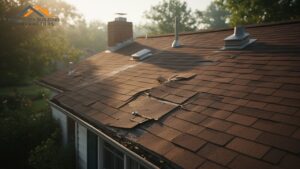
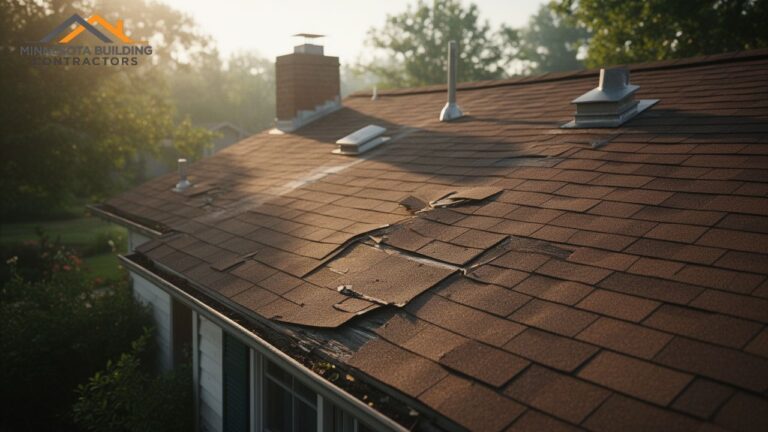
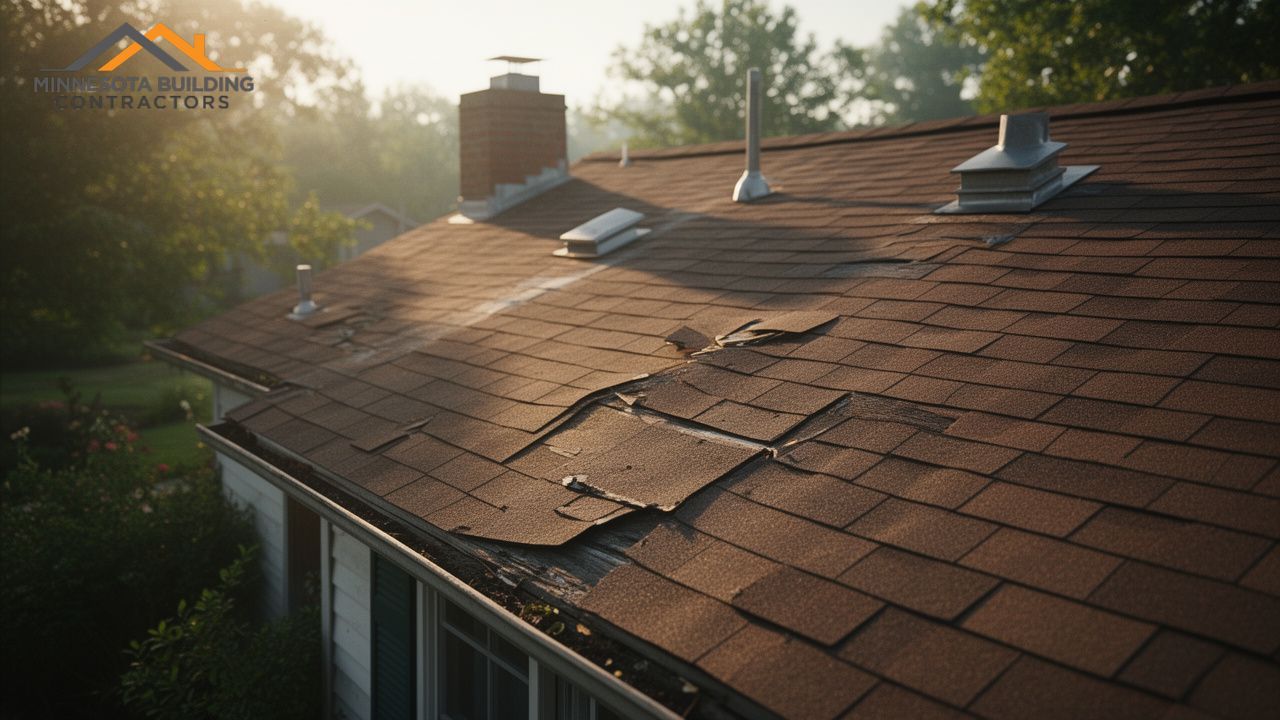
Minor issues often appear alarming but do not always signify a total system failure. Many problems result from localized trauma, such as a fallen branch or high winds that peel back a few shingles. In these cases, a roofing contractor can often restore the roof by replacing only the affected sections.
Localized leaks are frequently caused by damaged flashing. Flashing consists of thin metal strips installed around chimneys, skylights, and valleys to redirect water. If these strips rust or pull away from the surface, water can seep into the attic. Replacing the flashing is a routine part of roof repair and does not necessitate a full install.
Small patches of missing granules or individual cracked shingles also fall into the repair category. Property owners can often spot these issues from the ground using binoculars. If the rest of the shingles are pliable and securely attached, a simple patch job will likely extend the life of the roof for several more years.
Bonus Tip: Check the attic for streaks of light during the day. If light is visible through the roof boards but the shingles outside look intact, the issue might be a simple hole that a patch can fix before it leads to a major leak.
Warning Signs That Require Replacement
A full roof installation becomes necessary when the materials have reached the end of their functional life. According to data from Forbes Home, traditional asphalt shingles typically last between 15 and 30 years. Once a roof passes the 20-year mark, the risk of sudden failure increases significantly.
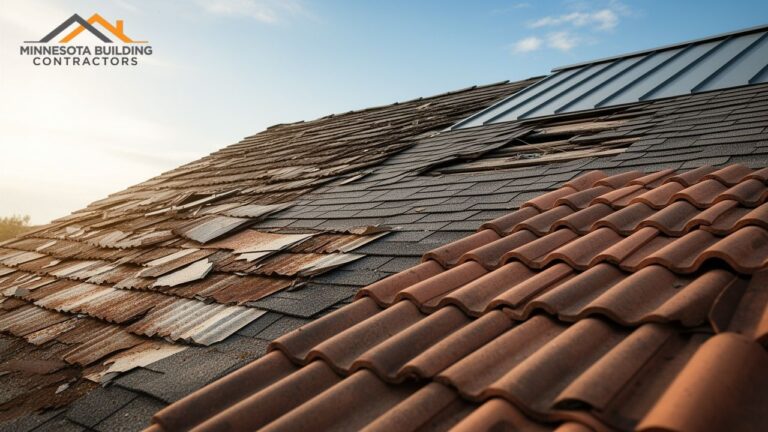
Widespread shingle curling or cupping is a primary indicator of age. When shingles dry out and lose their flexibility, the edges turn upward, or the middle starts to sink. This deformity allows wind to get underneath the material, making it easier for large sections to blow off during a storm.
Heavy granule loss is another red flag. While new shingles lose some granules during the first few months, an older roof that sheds enough granules to clog gutters is losing its protection against ultraviolet rays. Without these granules, the asphalt underneath becomes brittle and cracks quickly.
Evaluating Damage Severity and Costs
Choosing between repair and replacement requires a balance of current costs and future risks. While a repair is cheaper upfront, it may not be the wisest financial choice if the roof is old. Replacing a roof can offer a high return on investment. Statistics from the National Association of the Realtors suggest that homeowners can recover a large portion of the cost of a new roof when selling the property.
| Factor | Favor Repair | Favor Replacement |
| Age of Roof | Under 15 Years | Over 20 Years |
| Leak Frequency | First-time occurrence | Multiple recurring leaks |
| Surface Damage | Less than 25% of shingles | Over 25% of shingles |
| Shingle Condition | Pliable and intact | Brittle, curling, or bald |
| Interior Signs | Minor water spots | Sagging ceilings or mold |
| Budget Goals | Short-term fix | Long-term security |
The Impact of Roof Decking and Ventilation
The visible shingles are only one part of the system. A damaged roof inspection must also include an evaluation of the roof deck and the ventilation system. The deck is the wooden foundation that supports the shingles. If water has bypassed the shingles and underlayment for a long period, the wood can rot.
Our team at Minnesota Building Contractors identifies soft spots or sagging as a sign that the decking is compromised. If a large portion of the wood is rotten, a roofing contractor must remove all old materials to replace the boards. In this situation, performing a repair is impossible because the shingles have no stable surface for attachment.
Proper attic ventilation also influences the lifespan of the materials. Without enough airflow, heat and moisture build up in the attic, “cooking” the shingles from the bottom up. A study by Energy Star shows that proper ventilation can lower attic temperatures by up to 30 degrees, which prevents shingles from becoming brittle prematurely.
Things to Consider Before Making a Decision
Before committing to a specific path, evaluate the following factors that influence the success of a roof project:
- Local Climate History: If the area frequently experiences severe hail or high winds, a full replacement with impact-resistant materials may be safer than frequent repairs.
- Material Availability: It is often difficult to match the color of old shingles. If the roof is in a highly visible area, a repair might leave a noticeable, mismatched patch.
- Warranty Status: Check if the shingles are still under a manufacturer warranty. Some warranties cover repairs for specific defects but may be voided if the roof was not installed correctly.
- Future Plans: If the plan is to stay in the home for decades, a replacement provides peace of mind. If moving within a year, a high-quality repair might be sufficient for a home inspection.
Bonus Tip: Always ask a roofing contractor for a photo report of the inspection. Seeing the damage directly helps in understanding the severity of the issues found on the roof.
Common Questions About Roof Condition
Property owners often ask if they can install new shingles over old ones. This process, known as a roof-over, is generally discouraged. While it saves money on labor, it adds significant weight to the house structure and prevents the inspection of the underlying deck for rot. Most modern building codes limit the number of shingle layers to two.
Another common concern involves the presence of moss or algae. While dark streaks or green moss look unappealing, they do not always mean the roof is failing. Often, these can be cleaned using a professional soft-wash system. However, if moss has grown under the shingles and lifted them, the moisture trapped beneath may have caused the wood to rot, requiring a more serious intervention.
Evaluating Interior Signs of Failure
Sometimes, the clearest signs that a roof needs work are found inside the house rather than on the outside. Water stains on the ceiling or walls are the most obvious indicators. If these spots appear only after heavy rain, the leak is likely active. If they are accompanied by a musty smell, mold may be growing in the insulation or on the drywall.
The professionals at Minnesota Building Contractors suggest checking the corners of the attic for signs of moisture. Even if a leak has not reached the ceiling of the living space yet, damp insulation or dark stains on the rafters prove that the roof system is failing. Identifying these signs early can prevent the need for a total roof installation if a repair can stop the water entry immediately.
FAQ About Roofing Decisions
Can I repair a roof that has multiple layers of shingles?
Repairing a roof with multiple layers is difficult and often ineffective. It is hard to find the exact source of a leak when water can travel between the layers. Most professionals suggest a full replacement to ensure the new system is attached directly to the roof deck.
Does homeowners’ insurance cover a full replacement or just repairs?
Insurance coverage usually depends on the cause of the damage. If a sudden event like a storm or a fallen tree causes the issue, insurance may cover a replacement. If the damage is the result of age and lack of maintenance, the owner is typically responsible for the costs.
How long does a typical roof installation take?
For a standard single-family home, a full replacement usually takes one to three days. Factors like the pitch of the roof, the type of materials used, and the weather can influence this timeline. A simple repair can often be completed in a few hours.
Is it normal to see some granules in the gutters?
Small amounts of granules are normal for a new roof as excess material from the manufacturing process sheds. However, if the gutters are filled with granules and the shingles look smooth or “bald,” the roof is no longer protecting the home from the elements and should be replaced.
Why is my roof sagging?
Sagging is a serious structural issue. It often indicates that the roof deck is saturated with water and has become soft, or that the internal support structures are failing. A sagging roof almost always requires a full replacement and may need structural reinforcement.
Summary of Roofing Choices
Selecting between a roof repair or replacement requires an honest assessment of the roof’s condition and the age of the materials. Minor damage on a newer roof is best handled with a targeted repair to save money and resources. Conversely, aged systems with widespread wear or structural issues demand a full replacement to protect the home.
Property owners should regularly monitor their roofs for missing shingles, granule loss, and interior water spots. By catching problems early, it is possible to avoid the high costs of structural rot and mold remediation. For homes with roofs over two decades old, a proactive replacement is usually the most reliable way to ensure long-term safety and weather resistance. Always consult with a professional to verify the integrity of the decking and the effectiveness of the ventilation before finalizing a decision.
Ready for an Assessment
Ensuring a home stays dry and safe requires a clear understanding of the current state of the roof. Minnesota Building Contractors provides professional evaluations to determine if a structure needs a minor fix or a total update. For an expert review of any roofing system, contact the team at 507-206-9607 or reach out via email at billf@minnesotabuildingcontractors.com to discuss the specific needs of the property.
Sources
- Forbes Home – Comprehensive guide on roof replacement costs and material lifespans.
- National Association of Realtors – Data regarding the return on investment for home exterior improvements.
- FEMA – Technical guidelines on shingle attachment and roof durability in high-wind zones.
- Energy Star – Educational resources on how attic ventilation affects roofing material longevity.
- Asphalt Roofing Manufacturers Association – Professional insights on shingle aging, algae growth, and granule loss indicators.