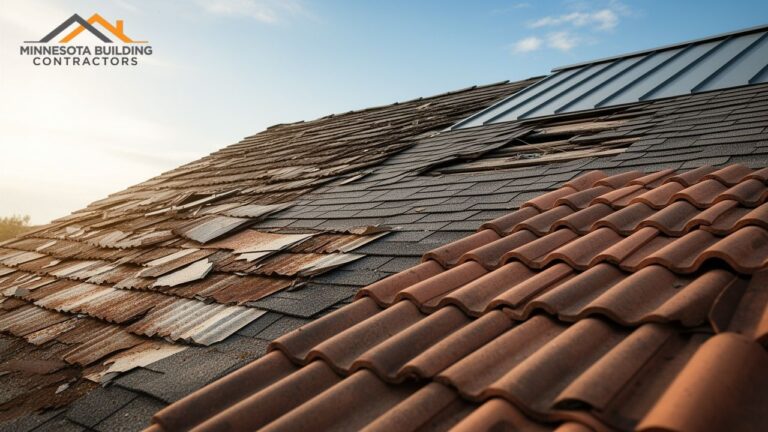
A standard asphalt shingle roof typically lasts between 15 and 30 years, while metal roofing systems often remain functional for 40 to 70 years. Premium materials like slate, clay tile, or concrete can protect a home for 50 to 100 years or more, depending on environmental conditions and maintenance. The specific roof lifespan for any building depends heavily on the quality of the initial roof installation and the local climate.
This guide provides a detailed breakdown of the roof replacement timeline for various materials to help property owners plan for future expenses. This information comes from the combined field experience of Minnesota Building Contractors and industry data regarding material performance in diverse weather conditions. Understanding these timelines allows for better budgeting and ensures the structural integrity of a home remains intact through every season.
Factors Influencing Asphalt Roof Lifespan
Asphalt shingles are the most common roofing material in North America. Data from Grand View Research indicates that asphalt shingles dominate the market due to their cost-effectiveness and ease of installation. However, not all asphalt roofs are the same. The shingle roof life expectancy varies significantly between different product tiers.
Three-tab shingles are the most basic option and generally last 15 to 20 years. These shingles consist of a single layer of material and are thinner than their counterparts, making them more susceptible to wind uplift and hail damage. In contrast, architectural or dimensional shingles are thicker and utilize multiple layers of asphalt. These typically last 25 to 30 years. High-end luxury shingles, designed to mimic the look of slate or wood shakes, can sometimes reach 35 years of service if the roof installation includes proper ventilation and underlayment.
Weather plays a massive role in how long these materials last. Intense sun exposure can dry out the asphalt, leading to cracking and granule loss. Frequent temperature swings also cause shingles to expand and contract, which eventually weakens the seal between individual pieces.
Metal Roofing Longevity and Performance
Metal has become an increasingly popular choice for homeowners seeking a longer roof replacement timeline. According to a report by The Freedonia Group, demand for metal roofing continues to rise as consumers prioritize durability and energy efficiency. Most steel and aluminum roofing systems carry warranties ranging from 30 to 50 years, but the actual physical life of the material often exceeds 70 years.
Standing seam metal roofs are particularly durable because the fasteners are concealed, protecting them from the elements. Screw-down metal panels are more affordable but require more maintenance, as the exposed rubber washers can degrade after 15 to 20 years. Copper and zinc are the elite options in this category, with some copper roofs lasting well over a century. These materials develop a protective patina that prevents corrosion, though the initial cost is significantly higher than that of other options.
Bonus Tip: Ensure the roofing contractor uses high-quality synthetic underlayment with metal roofs. Metal can trap condensation on its underside, and a premium underlayment prevents this moisture from reaching the wood decking.
Specialized Materials and Their Expected Duration
Beyond asphalt and metal, several specialized materials offer unique aesthetic and functional benefits. These include synthetic composites as well as traditional materials that often come with higher price tags but offer some of the longest lifespans in the industry.
- Wood Shakes and Shingles: These usually last 20 to 30 years. Cedar is the most common choice due to its natural resistance to rot. However, wood requires consistent maintenance to prevent moss and algae growth, which can trap moisture and cause premature decay.
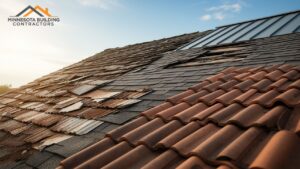
- Clay and Concrete Tiles: These are common in warmer climates but are used nationwide for their 50- to 100-year lifespan. They are heavy and require a reinforced roof structure. While the tiles themselves are nearly indestructible, the underlayment beneath them often needs replacement every 20 to 30 years.
- Slate: Often called the “forever roof,” genuine slate can last 75 to 200 years. It is a natural stone product that does not burn, rot, or fade. Like tile, slate is extremely heavy and requires an expert roofing contractor for proper installation.
Material Lifespan Comparison
The following table summarizes the typical life expectancy for various roofing materials under normal conditions.
| Roofing Material | Average Lifespan (Years) | Maintenance Level | Key Notes |
|---|---|---|---|
| 3-Tab Asphalt Shingles | 15 – 20 | Moderate | Most basic and affordable option |
| Architectural Shingles | 25 – 30 | Moderate | Multi-layer construction, more durable |
| Metal (Steel/Aluminum) | 40 – 70 | Low | Warranties of 30–50 years; actual life often exceeds 70 years |
| Wood Shakes | 20 – 30 | High | Cedar is most common; requires consistent maintenance |
| Clay or Concrete Tile | 50 – 100 | Moderate | Heavy; requires reinforced roof structure |
Determinants of Roof Replacement Timing
The material is only one part of the equation when determining how long a roof lasts. Several external and structural factors can accelerate the aging process or extend the life of the system.
- Proper Attic Ventilation: Without proper ventilation, heat builds up in the attic during summer, essentially baking the shingles from the inside out. In the winter, trapped moisture can condense on the rafters and roof deck, leading to mold and wood rot.
- Roof Pitch and Slope: The steepness of a roof affects how quickly it sheds water and snow. Flat or low-slope roofs are more prone to leaks because water stays on the surface longer.
- Quality of Installation: Proper roof installation involves more than just nailing down shingles. It requires a comprehensive system including drip edges, ice and water shields, high-quality underlayment, and precision-cut flashing around chimneys and vents.
Things to Consider Before Making a Decision
Before selecting a material, property owners should evaluate their long-term goals. If the plan is to move within five years, a standard architectural asphalt roof provides the best return on investment. If the property is a long-term family home, the higher upfront cost of metal or slate may be justified by the lack of future replacement costs.
Climate is another major factor — areas prone to heavy hail should prioritize impact-resistant shingles or metal, while regions with high humidity and heat should look for materials with high thermal reflectance to reduce cooling costs and prevent heat-related degradation.
Common Questions Regarding Roof Life
Homeowners frequently ask if they can install a new roof over an existing one. While building codes often allow for two layers of asphalt shingles, this is generally not recommended. Adding a second layer traps heat, which can shorten the asphalt roof’s lifespan by as much as 25 percent. It also prevents the roofing contractor from inspecting the wood decking for rot or structural damage.
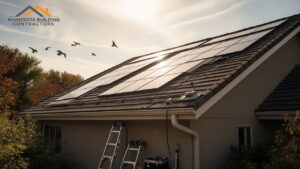
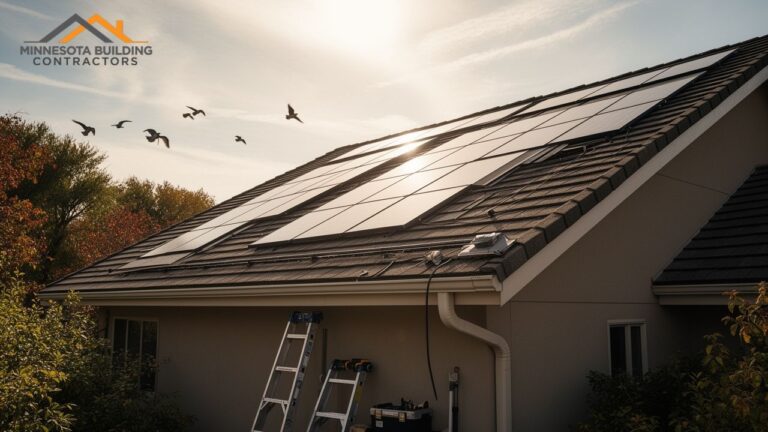
Another common inquiry involves the impact of solar panels. Most solar professionals recommend that a roof have at least 15 to 20 years of remaining life before installing panels. If a roof is nearing the end of its cycle, it is more cost-effective to perform the roof replacement before the solar installation to avoid the cost of removing and reinstalling the panels later.
Bonus Tip: Clean gutters at least twice a year. Clogged gutters cause water to back up under the bottom row of shingles, leading to fascia rot and shortened roof life at the eaves.
Does the color of my roof affect its lifespan?
Darker colors absorb more heat from the sun. In hot climates, this can lead to faster thermal degradation of asphalt shingles. Lighter colors reflect more sunlight, which can keep the attic cooler and potentially extend the life of the shingles by a few years.
How do I know if I need a replacement or just a repair?
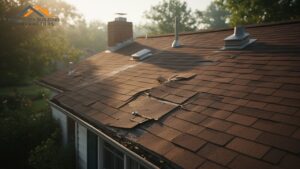
A few missing shingles or a small leak around a vent usually only require a repair. However, if the shingles are curling, losing large amounts of granules, or if there are multiple leaks, the system has likely reached the end of its functional life. For a deeper breakdown, see our guide on roof repair vs replacement in Minnesota.
Will a metal roof be noisier during rain?
When installed with solid sheathing and proper insulation, metal roofs are no louder than asphalt roofs. The wood deck and attic insulation act as sound barriers that dampen the noise of rain or hail.
Can I extend my roof’s lifespan with coatings?
Roof coatings can be effective for flat roofs or certain metal systems to reflect UV rays and add a waterproof layer. For asphalt shingles, most “rejuvenation” sprays are relatively new to the market and should be researched carefully before use, as they do not replace the need for structural integrity.
Assessing Your Roofing Needs
Determining how long a roof lasts involves balancing material choice with environmental realities and maintenance habits. While asphalt offers an affordable and reliable 20-year solution, metal and stone provide a multi-generational shield for those willing to invest more initially. Regular roof inspections and keeping the roof surface clear of debris are the most effective ways to ensure any material reaches its maximum rated age. Property owners should monitor their roofs for signs of wear and consult with professionals whenever significant weather events occur.
Choosing a Qualified Professional
Selecting the right roofing contractor is the final step in securing a long-lasting roof. A professional team ensures that every component of the professional roof installation is done according to manufacturer specifications, which is often a requirement for maintaining warranty coverage.e. For assistance with evaluating a current roof or exploring replacement options, contact Minnesota Building Contractors. Reach the team via phone at 507-206-9607 or send an email to billf@minnesotabuildingcontractors.com to discuss project requirements and material durability.
Expert Answers to Frequent Roofing Questions
Does the Color of My Roof Affect Its Lifespan?
Darker colors absorb more heat from the sun. In hot climates, this can lead to faster thermal degradation of asphalt shingles. Lighter colors reflect more sunlight, which can keep the attic cooler and potentially extend the life of the shingles by a few years.
How Do I Know If I Need a Replacement or Just a Repair?
A few missing shingles or a small leak around a vent usually only require a repair. However, if the shingles are curling, losing large amounts of granules, or if there are multiple leaks, the system has likely reached the end of its functional life. For a deeper breakdown, see our guide on roof repair vs replacement in Minnesota.
Will a Metal Roof Be Noisier During Rain?
When installed with solid sheathing and proper insulation, metal roofs are no louder than asphalt roofs. The wood deck and attic insulation act as sound barriers that dampen the noise of rain or hail.
Can I Extend My Roof’s Lifespan with Coatings?
Roof coatings can be effective for flat roofs or certain metal systems to reflect UV rays and add a waterproof layer. For asphalt shingles, most “rejuvenation” sprays are relatively new to the market and should be researched carefully before use, as they do not replace the need for structural integrity.
What Role Does Attic Ventilation Play?
Heat and moisture are the primary enemies of any roofing system. Minnesota Building Contractors often find that roofs failing 10 years early almost always have poor ventilation. Proper ventilation prevents heat buildup in summer and moisture condensation in winter, both of which can significantly reduce roof lifespan.
Assessing Your Roofing Needs
Determining how long a roof lasts involves balancing material choice with environmental realities and maintenance habits. While asphalt offers an affordable and reliable 20-year solution, metal and stone provide a multi-generational shield for those willing to invest more initially. Regular roof inspections and keeping the roof surface clear of debris are the most effective ways to ensure any material reaches its maximum rated age. Property owners should monitor their roofs for signs of wear and consult with professionals whenever significant weather events occur.
Choosing a Qualified Professional
Selecting the right roofing contractor is the final step in securing a long-lasting roof. A professional team ensures that every component of the professional roof installation is done according to manufacturer specifications, which is often a requirement for maintaining warranty coverage. For assistance with evaluating a current roof or exploring replacement options, contact Minnesota Building Contractors at 507-206-9607 or email billf@minnesotabuildingcontractors.com.