A roof inspection checklist identifies potential leaks, structural weaknesses, and material degradation before they become expensive repairs. Homeowners should look for cracked shingles, rusted flashing, clogged gutters, and water stains in the attic. This guide provides a systematic approach to identifying signs of roof damage to maintain the home’s integrity. Minnesota Building Contractors draws on years of field experience to outline exactly what to check during a residential roof inspection.
Regular maintenance extends the life of a roofing system and protects the property from weather-related hazards. A visual check at least twice a year, typically in the spring and fall, helps catch minor issues before they escalate into major failures. This article breaks down the roof inspection steps into manageable sections, covering both exterior and interior observations.
Immediate Indicators of Roof Distress
Before climbing a ladder, a ground-level assessment conducted by walking the entire perimeter of the house often reveals significant problems. High winds, heavy snow, and hail can cause immediate impact damage that is visible from the yard. Homeowners should look for sagging rooflines or sections where the shingles appear uneven.
Missing shingles are a primary concern because they leave the underlayment and decking exposed to the elements. If any pieces of roofing material are found in the lawn or flower beds after a storm, the roof likely needs professional attention. It is also important to look for granules that have washed down from the shingles. These look like coarse, colored sand and often accumulate at the bottom of downspouts. Significant granule loss means the shingles are no longer protected from UV rays, leading to brittleness and cracking.
Exterior Roof Inspection Guide
A detailed home roof inspection requires a closer look at the different components that make up the roofing system. Each material has specific wear patterns that indicate age and damage.
Asphalt Shingle Condition
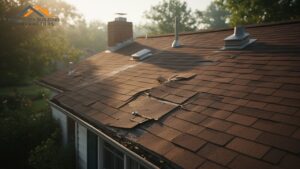
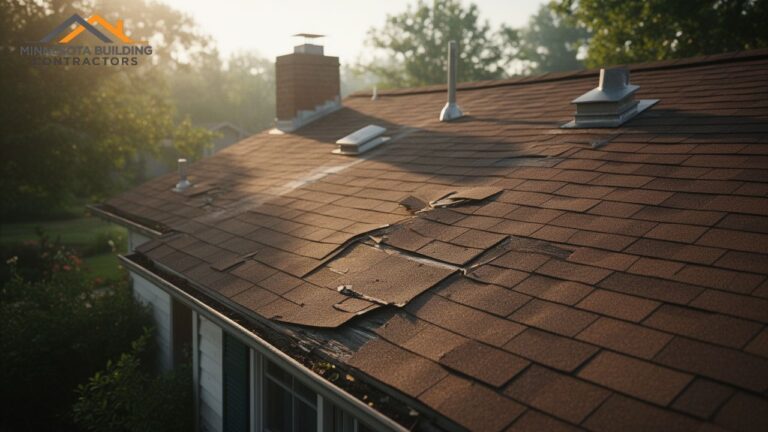
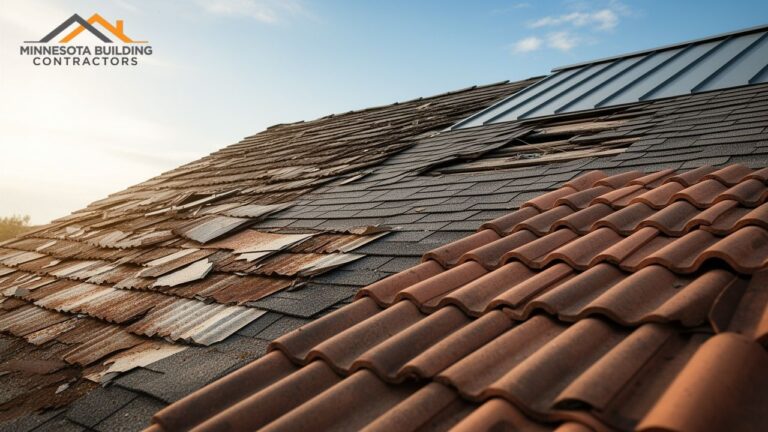
Asphalt shingles are the most common residential roofing material. When they age, they tend to curl at the edges or buckle in the center. This happens as the asphalt mat dries out and loses its flexibility.
- Curling: The edges of the shingle turn upward or downward.
- Cracking: Thermal expansion and contraction cause the surface to split.
- Blistering: Small bubbles appear on the surface, often caused by poor attic ventilation.
Bonus Tip: If you notice “cupping” where the edges turn up, it often indicates the shingles are past their functional lifespan and may be susceptible to wind uplift.
Flashing and Sealants
Flashing is the metal material used to direct water away from critical areas like chimneys, dormers, and valleys. According to a guide on roof maintenance by the International Association of Certified Home Inspectors, flashing is one of the most common points of failure on a residential roof.
Check for rust, loose nails, or dried-out caulk around these penetrations. If the flashing is pulled away from the chimney or wall, water can easily seep behind it and enter the home. Roof repair often involves replacing these metal components even if the shingles are still in good shape.
Gutters and Drainage
Gutters are an extension of the roof. If they are clogged with leaves or debris, water can back up under the bottom row of shingles. This often leads to rot in the fascia boards and the edges of the roof deck. Ensure that the gutters are securely attached and sloping toward the downspouts. If the gutters are pulling away from the house, the weight of trapped water or ice may be damaging the structural attachment points.
Interior Inspection Steps for Attic and Ceiling
The underside of the roof deck tells a story that the exterior might hide. A thorough roof inspection checklist must include a trip to the attic with a bright flashlight.
Look for dark streaks or spots on the rafters and the underside of the plywood. These are signs of slow leaks that might not have reached the ceiling yet. If the inspection happens during the day, turn off the attic lights and look for pinpoints of daylight coming through the roof. If light can get in, water can get in.
Check the condition of the insulation. If it is matted down or damp, it suggests a leak or a major condensation issue. Data from the Department of Energy suggests that proper attic ventilation is just as important as the roofing material itself for preventing moisture buildup and ice dams.
Technical Specifications and Damage Types
Understanding the differences between roofing materials helps in identifying specific issues. The following table highlights common materials and what to look for during a residential roof inspection.
| Roofing Material | Expected Lifespan | Primary Signs of Damage |
| Asphalt Shingles | 15 to 30 years | Granule loss, curling, missing tabs, or cracking |
| Metal Panels | 40 to 70 years | Rust, loose fasteners, or sealant failure at seams |
| Wood Shakes | 25 to 35 years | Splitting, rot, mold growth, or heavy moss |
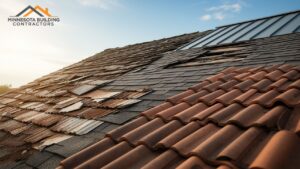
| Clay or Slate Tiles | 50 to 100 years | Cracking, broken pieces, or sliding out of place |
| Synthetic Composites | 30 to 50 years | Fading, warping, or impact marks from hail |
Bonus Tip: Moss and algae might look like a cosmetic issue, but they hold moisture against the roof surface and can lead to rot in wood or asphalt materials. To understand how material choice and Minnesota’s climate affect overall roof longevity, visit our guide on how long a roof lasts in Minnesota.
Market Data and Lifecycle Factors
The financial impact of roof maintenance is significant for most property owners. A report from the National Association of the Remodeling Industry indicates that a new roof is one of the most effective ways to maintain home value, often recovering a high percentage of the cost during a sale.
The weather is the biggest factor in roof deterioration. Statistics provided by the Insurance Information Institute show that wind and hail damage are among the most frequent reasons for homeowners’ insurance claims. Regular inspections help homeowners document the condition of their roof before a storm hits, making the claims process smoother if damage occurs.
Things to Consider Before Making a Decision
Before deciding to repair or replace a roof, several factors should be weighed. A single leak does not always mean a full replacement is necessary. For a detailed comparison of both options, read our guide on roof repair vs. replacement in Minnesota.
- Age of the Roof: If the roof is over 20 years old and showing signs of wear in multiple areas, a full replacement is usually more cost-effective than frequent small repairs.
- Extent of Damage: Damage covering more than 30 percent of the roof surface typically warrants a total replacement.
- Number of Layers: Building codes in many areas limit the number of shingle layers allowed on a house. If there are already two layers, the old material must be stripped off before new shingles are installed.
- Local Climate: Homes in areas with high humidity or heavy snow require specific underlayment and ventilation strategies to prevent premature failure.
Common Questions about Roof Inspections
How often should a roof be inspected? Most experts recommend a professional inspection once a year and a personal visual check after any major weather event. This proactive approach helps identify small issues like loose flashing or minor shingle damage before they cause interior water damage.
How much does a professional roof inspection cost? Prices vary based on the size and steepness of the roof. According to data published by Angi, a professional inspection usually costs between $75 and $600. Some contractors offer free visual estimates, but a detailed certified inspection report often carries a fee.
Can a roof be inspected in the winter? Yes, but it is more difficult. Snow and ice can hide many signs of damage. If there are active leaks or ice dams, an inspection is necessary regardless of the temperature. However, the best time for a comprehensive check is when the roof is dry and clear of debris.
How long does a typical inspection take? A standard residential roof inspection for an average-sized home usually takes between 45 and 90 minutes. This includes checking the exterior, the attic, and all penetration points like chimneys and vents.
Practical Advice for Homeowners
A roof inspection checklist is a powerful tool for maintaining the safety and value of a home. Start with a ground-level visual scan and move to the attic to check for moisture. Always prioritize safety and avoid walking on a steep or wet roof without proper fall protection equipment. If the inspection reveals curling shingles, rusted flashing, or interior water stains, consult with a professional roofing contractor to discuss repair options. Regular monitoring allows for planned maintenance rather than emergency repairs, saving money and stress over the long term.
Minnesota Building Contractors suggests keeping a log of all inspections and repairs. This documentation is helpful for insurance purposes and provides transparency for future buyers. By following these roof inspection steps, property owners can ensure their home remains protected from the elements for years to come.
Expert Roofing Assistance
If the home roof inspection reveals issues that require professional attention, Minnesota Building Contractors provides expert evaluations and high-quality repair services. Getting a detailed assessment from an experienced roofing contractor ensures that every potential problem is identified and addressed correctly. For a thorough consultation or to schedule a professional inspection, contact Minnesota Building Contractors at 507-206-9607 or via email at billf@minnesotabuildingcontractors.com to discuss the specific needs of the property.
Sources
- International Association of Certified Home Inspectors – Provides detailed technical guides on residential roof inspection standards and common failure points.
- Department of Energy – Offers information on attic ventilation and how it affects the lifespan of roofing materials and home energy efficiency.
- National Association of the Remodeling Industry – Tracks the return on investment for various home improvement projects, including roof replacement.
- Insurance Information Institute – Supplies data regarding common causes of homeowners’ insurance claims and the impact of weather on property damage.
- Angi – Provides market data on the average costs for professional roof inspections and common repair services across the United States.